Conventional Treatments for IBD
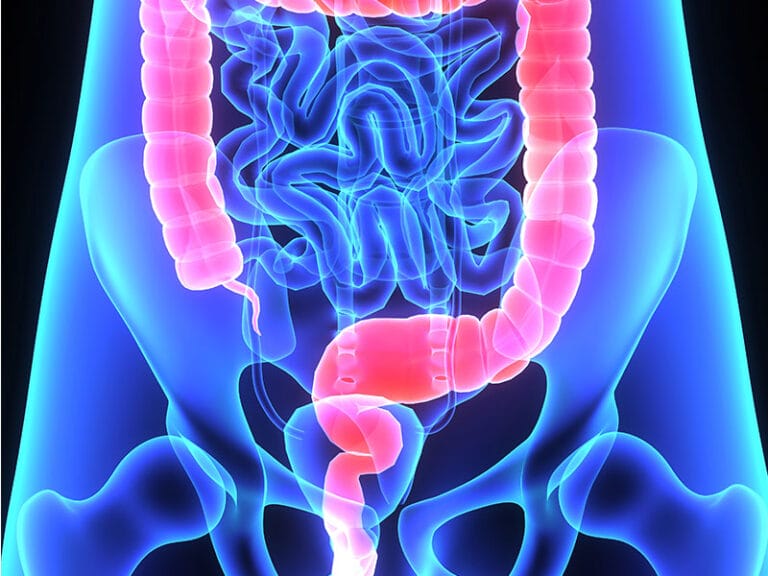
Biologics and prednisone are the conventional treatments for Ulcerative Colitis and Crohn’s. History has shown that the approach to suppress the immune system prolongs the medical condition instead of curing. Patients are put on prednisone during the flares. The long-term medications are biologics, which the patient has to change brands either due to reaching a tolerance or insurance not paying for that brand anymore. Colostomies are commonly done on patients with severe IBD, such as Ulcerative Colitis or Crohn’s Disease. Even on a biologic patient, they can suffer from flares, often ending up in the hospital once to a few times per year.
What’s missing in the conversation between doctor and patient when it comes to treating IBD, is how much diet can affect the patient’s quality of life. Gastroenterologists are not trained in nutrition or supplements so the patient is on their own when it comes to how to prevent flares or embarrassing moments such as sudden urgency and diarrhea.

How To Decrease Symptoms of IBD
Diet and stress are the two biggest triggers for a flare. Fortunately, you have control over both of these factors. Flares interrupt your life, sometimes even landing you in the hospital. The treatments for a flare include prednisone and/or antibiotics. Stressful events, having anxiety, or even just a cold or flu can trigger a flare. Many patients have decreased the frequency of flares and minimized their ongoing symptoms with a very strict diet. Most patients with IBD need to avoid alcohol, red meat, and processed sugar foods. Gluten often gets overlooked as a culprit. But it is actually one of the most inflammatory foods you can eat, and should be the first item to be eliminated.
Herbs such as Indigo Qing Dai can help with diarrhea during a flare. Increasing your intake of soluble fiber also slows transit time, decreasing the risk for loose stools and diarrhea. During a flare, you must be very strict with your diet, avoiding all variety and keeping to plain foods such as:
chicken and/or fish
mashed potatoes
bone broth
Protein and green smoothies.
Stem Cell Therapy for IBD
While diet and supplements can help decrease the frequency and duration of flares and minimize day to day symptoms, you must be very strict and adherent. Our patients who have received a stem cell IV live a much higher quality of life than those who have not. They do not have to be as strict and have more freedom to travel after getting a stem cell IV. This is important to patients who are younger. Some of our patients even go back to eating pasta and drinking a little alcohol.
How Do the stem cells help with IBD?
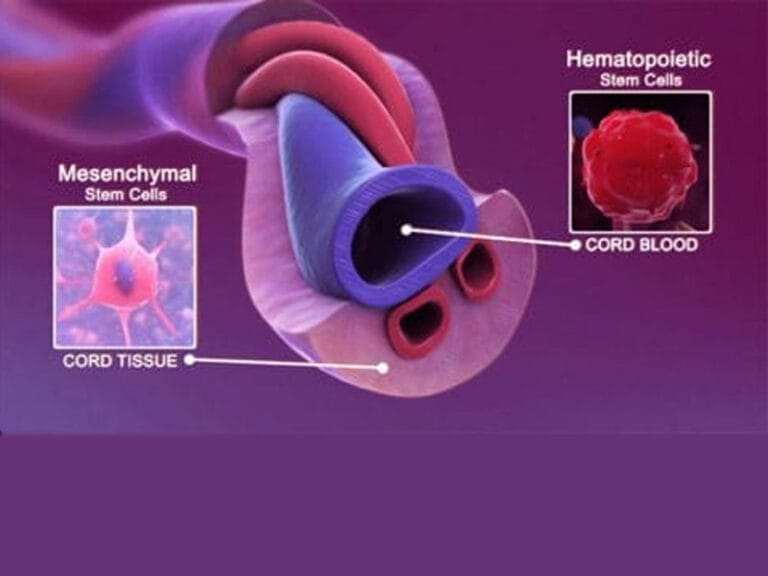
MSCs or mesenchymal stem cells have the ability to respond to cytokine signaling. This means they travel to areas of injured tissue, secreting their growth factors and cytokines to facilitate healing. This is how you can get an IV of stem cells and start experiencing less symptoms in the digestive tract. They help to moderate the immune system to decrease inflammation. Often times, one IV is enough to dramatically change your life. All of our patients with IBD have been able to discontinue their biologics and no longer rely on prednisone. We empower them with education on how to manage the beginning symptoms of a flare naturally. Avoiding the hospital is a big step towards preventing complications and increasing your overall level of health. The Stem Cell IV also helps to strengthen the immune system so you get sick less often and experience more energy. Alternatively, biologics come with side effects such as a decreased immune system, increased risk for cancer and fatigue.
In other words, the patients who have chosen to get a stem cell IV in combination with learning how to manage a flare have a lot more freedom than the patients who follow strict dietary and supplement guidelines.
To schedule a complimentary phone call to go over the treatment plan and pricing for a stem cell IV, call 480-334-8278 or fill out our Contact form.
https://www.healthline.com/health/ulcerative-colitis/stem-cells-ulcerative-colitis