

Stem Cell IV Therapy for Traumatic Brain Injury
Whatever health obstacles you’re facing, our cutting-edge regenerative applications aim to reduce discomfort, support healing, and restore function. Use our short Treatment Success Survey to find out if Stem Cell Therapy will work for you.
Dr. Jane Hendricks
NOTE: Unlike other stem cell clinics, our treatments are comprehensive and includes up to 6 months of follow up visits.
The year this Phoenix practice began administering regenerative protocols.
Structured physician follow-up is included in every treatment plan.
The physician who evaluates you remains with you through every review.
Product is supplied by an FDA-registered laboratory partner.
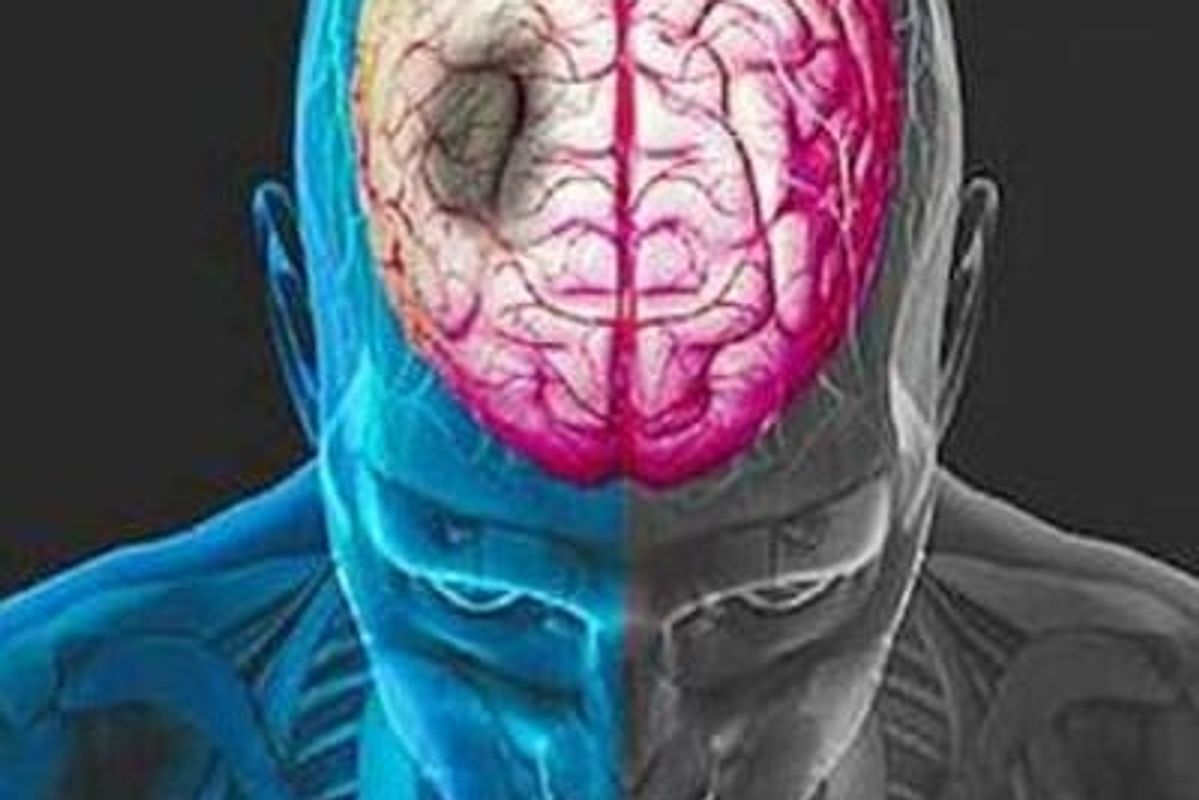
Stem Cell IV Therapy for Traumatic Brain Injury (TBI)
Causes of TBI
There are various causes of TBI, all stemming from head trauma.
Repetitive concussions, over time, increase inflammation in the brain.
Chronic inflammation in brain tissue causes the denaturing of proteins, specifically the tau proteins.
Traumatic brain injury leads to degenerative conditions such as chronic traumatic encephalopathy, Alzheimer’s, and Dementia.
Symptoms, and how stem cell therapy is used.
An overview to bring to your physician consultation—not a substitute for a diagnosis.
Symptoms
Symptoms vary widely from patient to patient, depending on the brain areas affected by the build-up and entanglement of proteins.
Regions distant from the injury are affected due to synaptic connections.
The following symptoms are commonly reported in patients diagnosed with TBI:
- Depression and/or anxiety
- Insomnia
- Moodiness
- Loss of short-term memory
- Brain fog
- Chronic headaches
- Intermittent blurred vision
- Chronic fatigue
- Low libido
It’s important for the clinician to test the pituitary hormones such as thyroid stimulating hormone (TSH), Growth Hormone, FSH, and LH.
Brain trauma can affect the production of these important hormones leading to deficiencies of thyroid and testosterone.
Many of the symptoms of TBI are attributed to a deficiency in thyroid and testosterone.
Treatments
The symptoms of traumatic brain injury are treated by replacing needed hormones such as testosterone, progesterone, and thyroid if they are found to be deficient.
However, there is no conventional treatment to reverse or halt the progressive tissue damage.
A stem cell infusion offers hope in reversing the brain inflammation and slowing or halting the disease process.
Treating TBI with stem cells may prevent the progression of the injured tissue to more serious conditions such as Alzheimer’s and Dementia.
We combine our stem cell treatments with frequency treatments such as the Theraphi Scalar Wave Medbed and hyperbaric oxygen.
How do Stem Cells work?
Stem cells respond to cytokine signaling from injured tissue.
Once in the area, they go to work to facilitate the repair of damaged tissue and in the renewal of new healthy cells.
Stem cells are well known for their anti-inflammatory and anti-microbial effects.
There are many ongoing studies for their use in autoimmune conditions.
What our patients can expect from us
Personalized treatment plans tailored to individual needs and health goals.
Comprehensive pre-treatment evaluation and ongoing progress monitoring
Access to cutting-edge regenerative medicine therapies
One conversation. No cost, no deposit, no pressure.
Begin with a physician assessment of candidacy—and a clear explanation of what Dr. Hendricks would suggest instead when this is not the right fit.